
The old score only told half the story
Every published Verbaterm review starts at 100, a good-faith baseline, not a claim that a policy is perfect. For a while, the only way that number moved was down: cited concerns deducted points, with high severity costing more than medium or low.
That part still makes sense. A clause that can lock you out, auto-renew without a clear exit, or hand away control of your content should weigh on the score. But policies are not only lists of risks. Many companies also write clear protective language: limits on children’s data, deletion rights, narrow licenses, cancellation that is actually easy. Those findings showed up in green on the review. They never moved the number.
If we are willing to deduct for the hard parts, it is only fair to credit the protective ones.
What changed in score-method v4
As of today, each cited protection adds +3 to the policy score, up to +12 for the first four protections. The score soft-caps at 112 so a clean, protection-rich policy can rank ahead of an empty-but-clean one, without letting bonuses erase serious concerns.
Concerns still use the same weights: high −10, medium −5, low −3. All-clear sections (no findings in a concern bucket) still do not change the score. Only source-backed protection cards earn the bonus. Uncited model claims never raise or lower anything.
A worked example
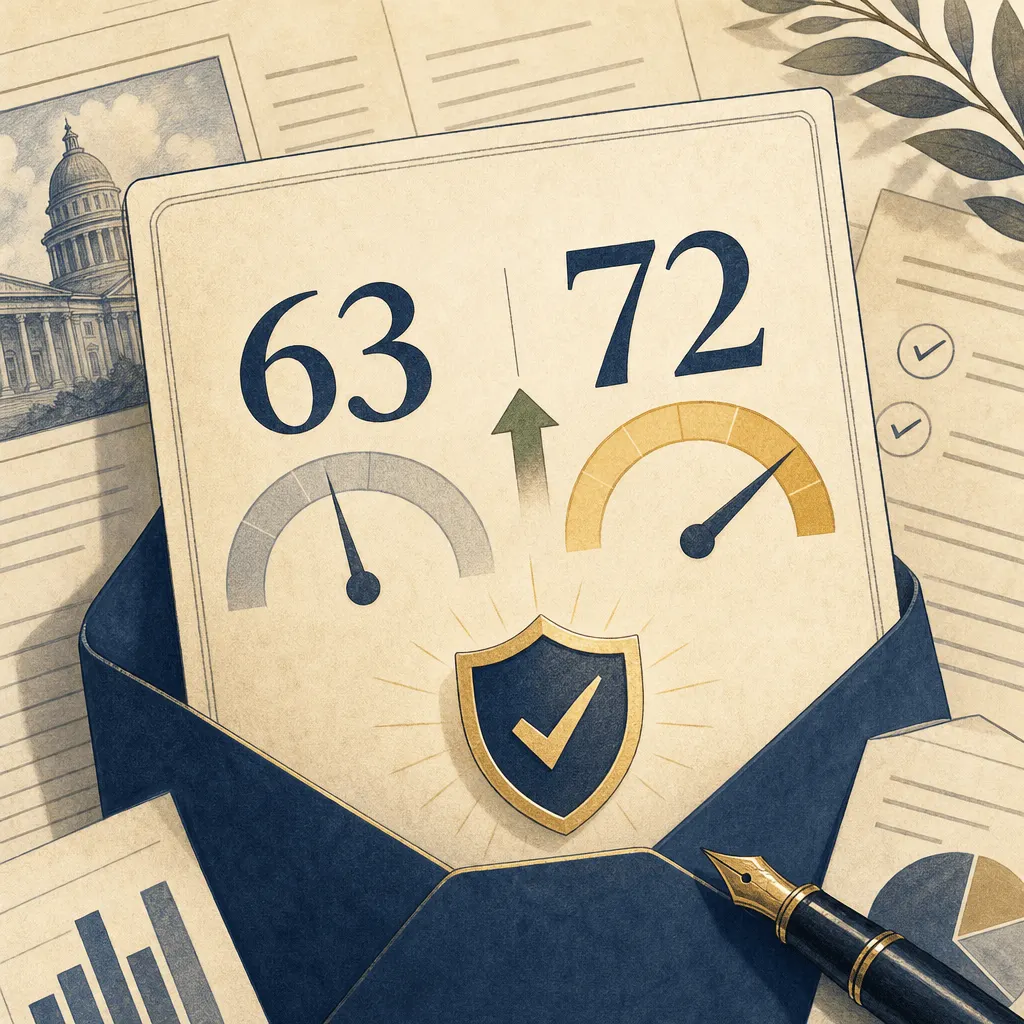
Take a review with 2 high, 1 medium, and 4 low concerns, plus 3 cited protections. Under the old method that scored 63. Under v4 the same findings score 72: deductions of 37, plus a protection bonus of 9.
Five protections still only earn +12. Twenty high-severity concerns still floor at 0. The goal is a sensible reward, not a loophole.
Why this is company-fair
We only credit protections that survive the same citation bar as concerns. If the excerpt is not in the source, the finding stays hidden. It cannot polish a rank. Sponsorship, ads, and paid placement still cannot buy a better score. The ranking integrity rules did not soften; the ledger just got a credit column.
For readers, the rankings page key now shows Protections as +3 alongside the familiar concern chips. For operators who publish policies with real user protections written into the text, that work finally shows up in the leaderboard, not only in a green section nobody sorts by.
What to do next
Browse the updated rankings at /policies/rankings, open a few reviews you already know, and look at the Protections section beside the score. If a company earned a lift, you should be able to point at the cited sentence that got them there.
Scores recompute from published reviews. There is no secret re-scoring pass. Methodology details live on the rankings page and in our policy score rankings notes. When you want clause names instead of score math, start at /glossary. As always: informational only, not legal advice.